Selection Guides
What -25°C, -40°C and -50°C Mean for Your Cold Room
Three temperatures decide which unit your room needs: -25°C for chilled and frozen food, -40°C for deep-frozen storage, -50°C for blast freezing. Which series covers each.
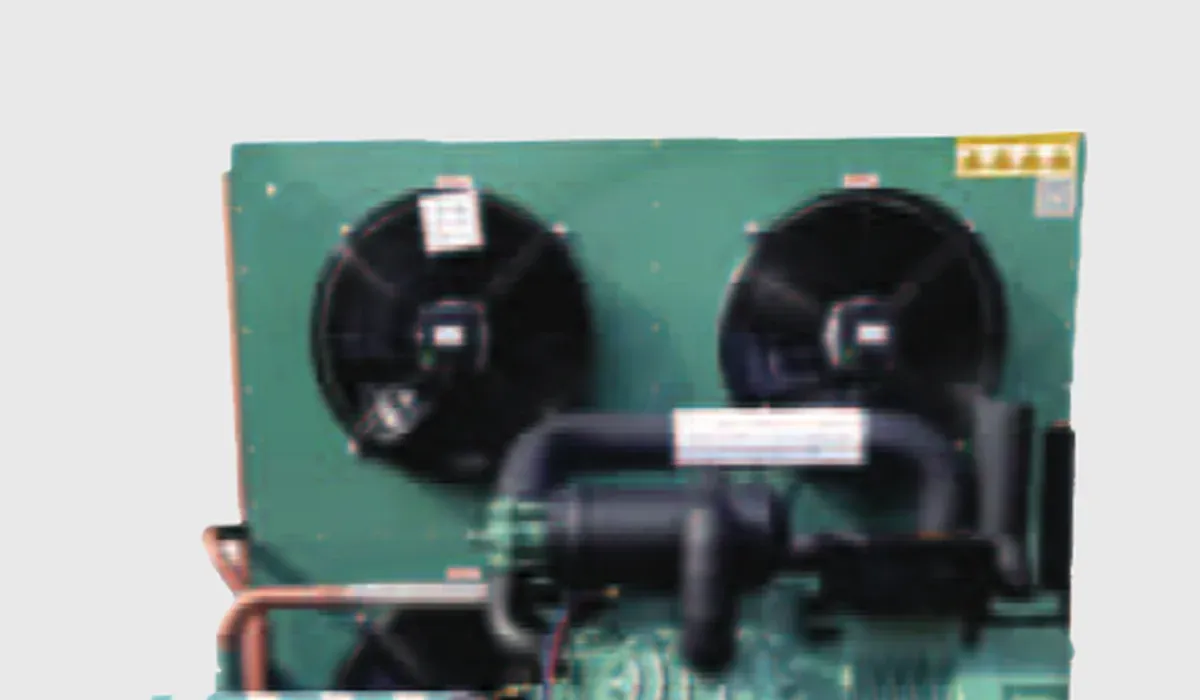
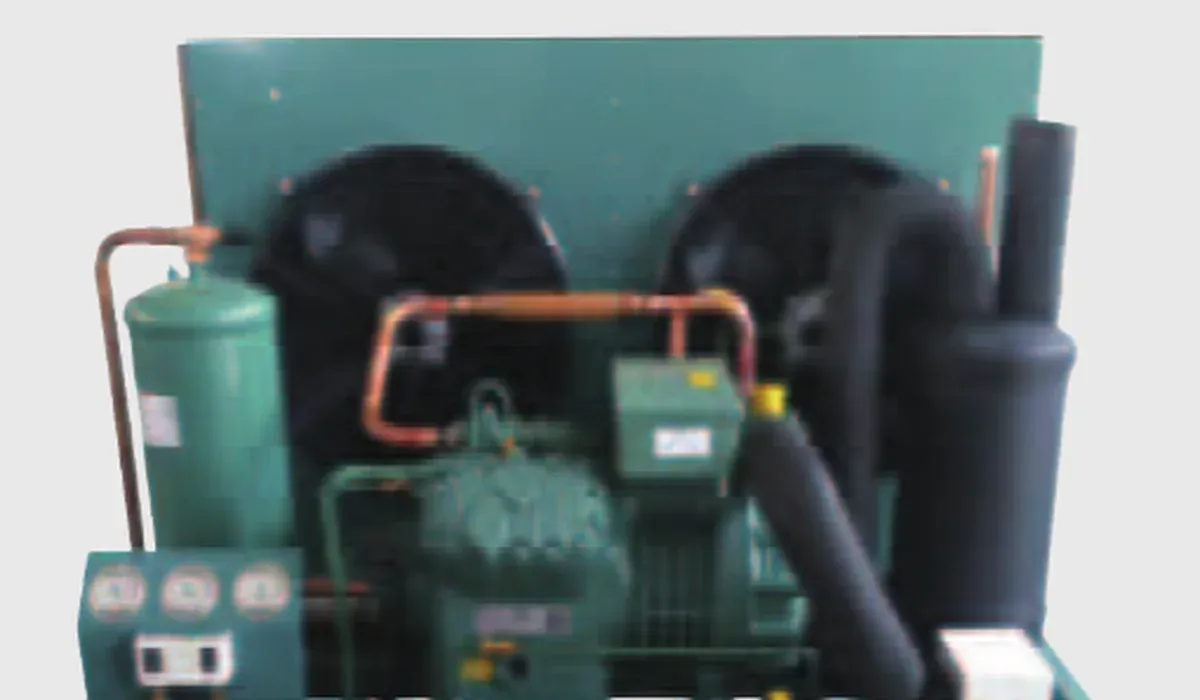
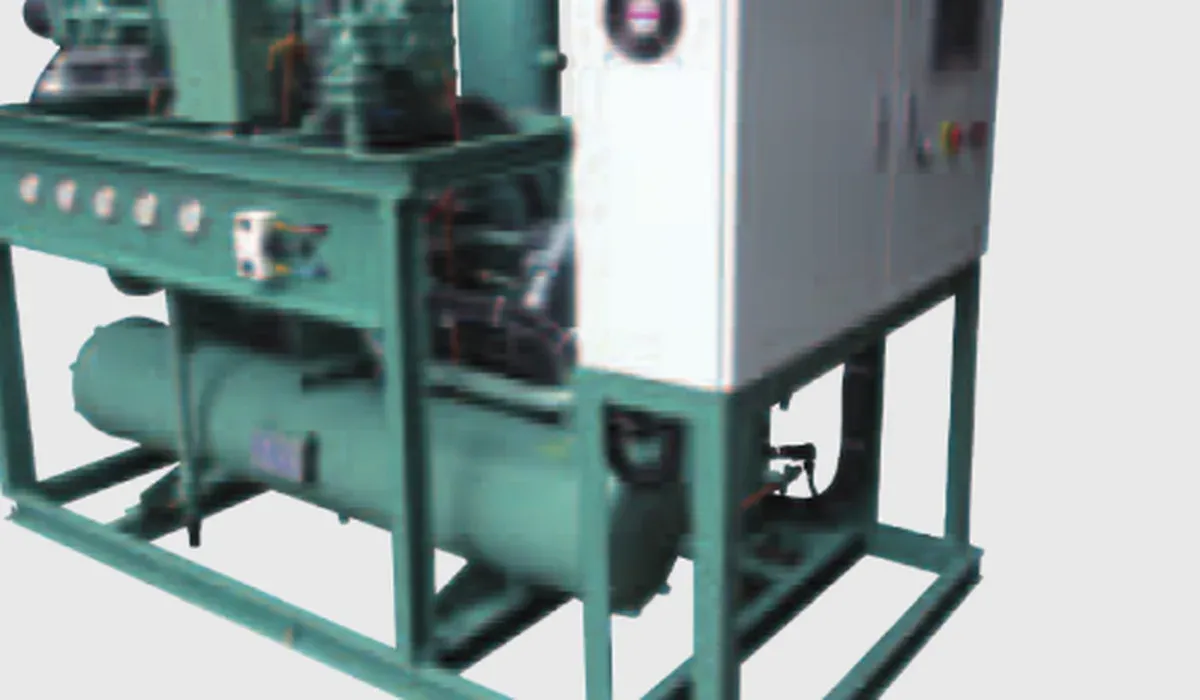
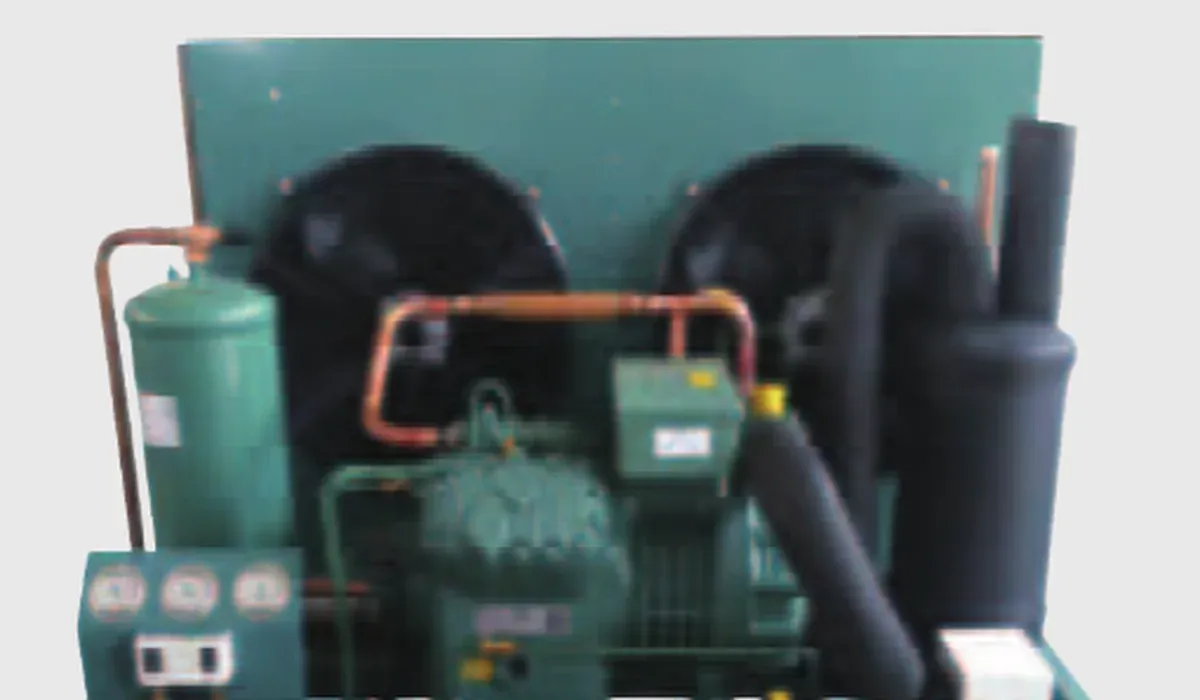
Three temperatures decide which condensing unit your cold room needs. At -25°C you are in frozen-food territory, served by the KLPH and KLPL piston series. At -40°C you are in deep-frozen storage, served by the KLPL and the two-stage KLDPL. At -50°C you are in blast freezing, served only by the two-stage KLDPL. The temperature is the first thing to fix, because every capacity figure in the catalog is quoted at a temperature — and a unit sized at 0°C will not do a -40°C job. This guide is for buyers who know what goes in the room but have not yet fixed the temperature it must hold. It will not help you if the temperature is already fixed in the contract — then the decision is the model, not the range.
The room that was sized at the wrong temperature
A buyer ordered a unit for a frozen-food room and sized it from the biggest number on the page: the capacity at 0°C. The room needed -25°C. On paper the unit covered the load twice over; in practice it could not hold the temperature, because the capacity at -25°C was less than half the capacity at 0°C. The supplier had done nothing wrong — the table lists the capacity at every temperature, and the buyer had read the wrong line. The room was re-fitted with a larger unit, the first unit was sold at a loss, and the project ran two months late.
That is the normal shape of this mistake. Capacity is not a property of the unit alone; it is a property of the unit at a temperature. Every table in the catalog is organized that way, with the evaporating temperature down the side and the capacity falling as the temperature falls. The buyer who reads the top line and stops has not read the table. The buyer who reads the line at their own temperature has the number that matters, and the rest of the decision follows from it.
Why the tables fall as they do, and what each range means
Start with what the catalog does say, because the three temperatures are the catalog's own boundaries. The KLPH medium/high-temperature series covers 12.5°C to -25°C. The KLPL medium/low-temperature series covers -5°C to -40°C. The two-stage KLDPL covers -20°C to -50°C. The screw HSN covers -15°C to -45°C. Those are not marketing ranges; they are the evaporating temperatures each series is built for, and the capacity tables are printed against them.
What each range means in practice is a different kind of room. At -25°C you are holding frozen food: frozen meat, frozen vegetables, ice cream, a standard frozen store. The KLPL 2HES-1 gives 1,650 W at -25°C on R22, and the range runs up to the 6FE-44 at 46,350 W at the same temperature — a small frozen store and a large freezing plant, both served by the same series. At -40°C you are in deep-frozen storage: product held for months, rooms that must not drift upward, where a few degrees of drift is spoilage rather than inconvenience. The KLDPL S4T-5.2 gives 4,100 W at -40°C on R22, and the range runs to the S6F-30.2 at 21,350 W. At -50°C you are in blast freezing: product frozen fast, rooms that run at the edge of what a piston machine can do, served only by the two-stage KLDPL.
The evidence is in the falling numbers. The same KLDPL S4T-5.2 that gives 7,880 W at -25°C gives 4,100 W at -40°C — nearly half the capacity for fifteen degrees of cold. The same pattern runs through every table in the catalog: capacity falls as temperature falls, and it falls steeply. That is why a unit must be sized at the room's temperature and not at any other. The evidence gap is the room's own temperature: many buyers know the product — frozen fish, ice cream, blast-frozen meals — but have not fixed the temperature the room must hold, and without it the capacity table cannot be read at all.
The decision, in three temperatures
Fix the temperature first, then read the table at that line. If the room holds -25°C or warmer — chilled food, frozen food, a standard frozen store — the KLPH and KLPL series cover it, and the choice between them is the exact temperature: KLPH to -25°C for the warmer end, KLPL from -5°C to -40°C for the colder end. If the room holds -40°C — deep-frozen storage, long-hold frozen product — the KLPL reaches it and the KLDPL starts there; the load and the margin decide between them, with the two-stage machine giving more room at the bottom of the range. If the room holds -50°C — blast freezing — only the KLDPL covers it, and the screw HSN stops at -45°C, so the two-stage piston machine is the answer at piston scale.
Then check the load at that temperature, not at 0°C. A room that needs 10 kW at -40°C needs a much larger machine than a room that needs 10 kW at 0°C, because the same machine gives far less at -40°C. Read the capacity at your line, and if the number is not there — if the table jumps from -35°C to -40°C and your room is -38°C — ask the supplier for the figure at your temperature rather than guessing between the lines. The supplier's answer is part of the quotation, and it costs nothing to ask before ordering.
Different buyers land in different places. A frozen-food distributor with rooms at -25°C will usually land on the KLPL: the workhorse of frozen storage. A processor blast-freezing meals at -40°C or below will land on the KLDPL: the only series that reaches -50°C. A large frozen store at -40°C will weigh the KLPL against the HSN screw series, and the load will decide. The temperature narrows the field; the load finishes the choice.
What can go wrong, and what this guide does not cover
Four mistakes account for most of the trouble. The first is sizing at 0°C — reading the top line of the table and ordering a unit that cannot hold the room at its real temperature. The second is borrowing a temperature from a different product: a room that held ice cream at -25°C is not a room that can hold blast-frozen meals at -40°C, and the unit must be sized again. The third is ignoring the drift: a room that must hold -40°C and drifts to -35°C on the hottest day is a spoiled room, and the margin for that drift belongs in the sizing, not in hope. The fourth is treating catalog figures as guarantees. The catalog says so itself: sample data is for reference only, designs may change without notice, and detailed specifications are fixed in the contract. Use the tables to shortlist, not to promise.
There are also boundaries this guide does not cross. It does not cover the cooling method — air-cooled versus water-cooled — which is a separate decision with its own guide. It does not cover screw machines in detail, or parallel racks, or box units. And it does not give prices, lead times or certifications, because the catalog gives none, and this guide invents nothing. If a supplier quotes a capacity at a temperature that is not in the table, ask how it was calculated before you rely on it.
Your next step
Write down two things. One: the temperature the room must hold — the product and the hold time decide it, and if you are not sure, ask the product's own storage specification before you ask a refrigeration supplier. Two: the cooling load at that temperature — calculated at the target temperature, not borrowed from 0°C. Then read the catalog table at your line: KLPH to -25°C, KLPL to -40°C, KLDPL to -50°C, HSN to -45°C. Send the temperature and the load through the inquiry form, and ask for the matching model with a quotation. Fix the temperature first; the model choice takes minutes once it is settled, and it takes weeks to undo if the temperature was wrong.